Era Pickleball: Finding the Best Facility for Your Schedule
The first thing players notice when they start hunting for a court is where the rhythm of their week will actually happen. Pickleball isn’t just a sport; it’s a weekly tempo that blends workout, social time, and a place to unwind after a long day. Era Pickleball has built its reputation on reliable courts, friendly staff, and the kind of scheduling that doesn’t force you into compromises. This article is about finding the Era Pickleball facility that fits your life, not just your game.
What makes a pickleball facility feel right often comes down to a handful of practical details that add up over weeks and months. You want courts that stay true to the line, accurate nets, clean surfaces, and a good air temperature for the pace of play you prefer. You want front desk staff who know the booking system and can help you navigate rainouts, make-up sessions, and late starts without turning your afternoon into a scavenger hunt. You want to feel that the facility is thinking about your time as much as you are.
Era Pickleball has both indoor and outdoor venues, and each setting has its own advantages depending on the season, the climate, and your personal preferences. For some players, winter means a predictable climate-controlled arena that lets them play through the cold and wind without worrying about surface conditions. For others, summer means al fresco games where the sun is part of the game in a controlled way, and the community feel around outdoor courts becomes the main attraction. The best facility for your schedule will balance available courts, reservation windows, and the way you like to structure your week.
The practical question is not whether you can find a court somewhere, but how you can weave Era Pickleball into your routine in a way that reduces friction and increases consistency. The most common friction points are these: when courts are crowded, when reservations open late in the day, when travel time eats into the number of sessions you can fit in, and when you show up to a court that has been booked but not properly updated in the system. A facility that manages these issues with transparency, clear communication, and a user-friendly booking system will multiply the value of the sport for you.
A close-to-home facility matters more than you might expect. If the court is near your morning coffee shop or your office, you’ll find yourself more likely to play on a regular basis. The nearest Era Pickleball options aren’t just distances; they are anchors in your schedule. Proximity reduces the mental load of planning, which is the quiet force behind a sustainable pickleball habit. If you’re evaluating Era Pickleball locations, you’ll want to weigh how easy it is to fit a 60 to 90 minute session into your day, whether you’re commuting by car, bike, or walking. The best fit is the place where a session becomes a natural endpoint to other routines rather than a separate, heavyweight decision.
A telling sign of a strong facility is the consistency of its court availability. On busy weekdays, popular facilities can feel like a chess game: you need to predict when the slots open, what time you can start, and how the lineup will shift if someone is late. The facility that does this best will show you a practical system at work. Look for clear reservation rules, reasonable cancellation policies, and a user interface that doesn’t require a Master’s degree to understand. The ability to book a court online, check real-time occupancy, and receive timely updates about changes is not a luxury; it is the sense that the facility respects your time.
Seasonal considerations play a real role in scheduling as well. Indoor courts at Era Pickleball deliver a reassuring predictability in winter and on rainy days. The floor surfaces, lighting, and air circulation there create a controlled environment that can feel like a private practice arena at times. Outdoor courts, by contrast, bring a different rhythm: wind, sun, shade, and the occasional afternoon shower. If you’re someone who can tolerate a little variability, outdoor sessions can be ideal for social play and a more expansive feel. The trick is to match your preferred climate and your time of day with the type of court and the facility’s operating hours.
What to look for when you visit a facility
An in-person look gives you more information than any online page can offer. The following observations have helped me judge whether a facility will be a good weekly companion:
- The pace of the front desk. If the staff can cite court availability, explain the booking process, and answer questions without a long pause, you’re in a place that values your time.
- The condition of the courts. Look for even net heights, clean lines, and a surface that doesn’t feel sticky or too slick. A court that shows evidence of regular maintenance is not just a safety feature; it’s a signal that the venue plans ahead.
- The quality of the equipment. Paddle racks, spare paddles, and balls that aren’t dead or deformed show that the facility isn’t squeezing pennies at the expense of the playing experience.
- The safety and cleanliness standard. Clean locker rooms, clear signage for safety rules, and well-lit walkways reflect a thoughtful approach to player welfare, both on and off the court.
- The community vibe. Are there players lingering after sessions? Are there league signups or clinics taking place on the same day? A lively but respectful atmosphere is a strong indicator of a healthy community.
In practice, I’ve found that the best Era Pickleball facilities combine a straightforward booking workflow with a reliable court maintenance routine. When I first started exploring options, I visited three nearby venues within a 20-minute radius. One had a superb user interface for reservations, but the courts weren’t well maintained and the humidity inside the court area made the ball feel inconsistent. Another offered a friendly staff and great lighting, but the booking windows were inconsistent and often filled up to capacity before I could lock in a session. The third was the sweet spot: a clean building, courteous staff, and a reservation system that opened 14 days in advance with a two-hour maximum per booking—precisely the cadence I needed to calendar my week.
The shape of your week matters more than you might assume. If you like a few long sessions, you’ll benefit from facilities that allow back-to-back reservations with short intervals between courts. If you prefer short, intense bouts of play, a facility that supports quick 60-minute slots and flexible cancellations can help you squeeze more practice into a tight schedule. The right facility will feel like a partner in your routine, not a gatekeeper.
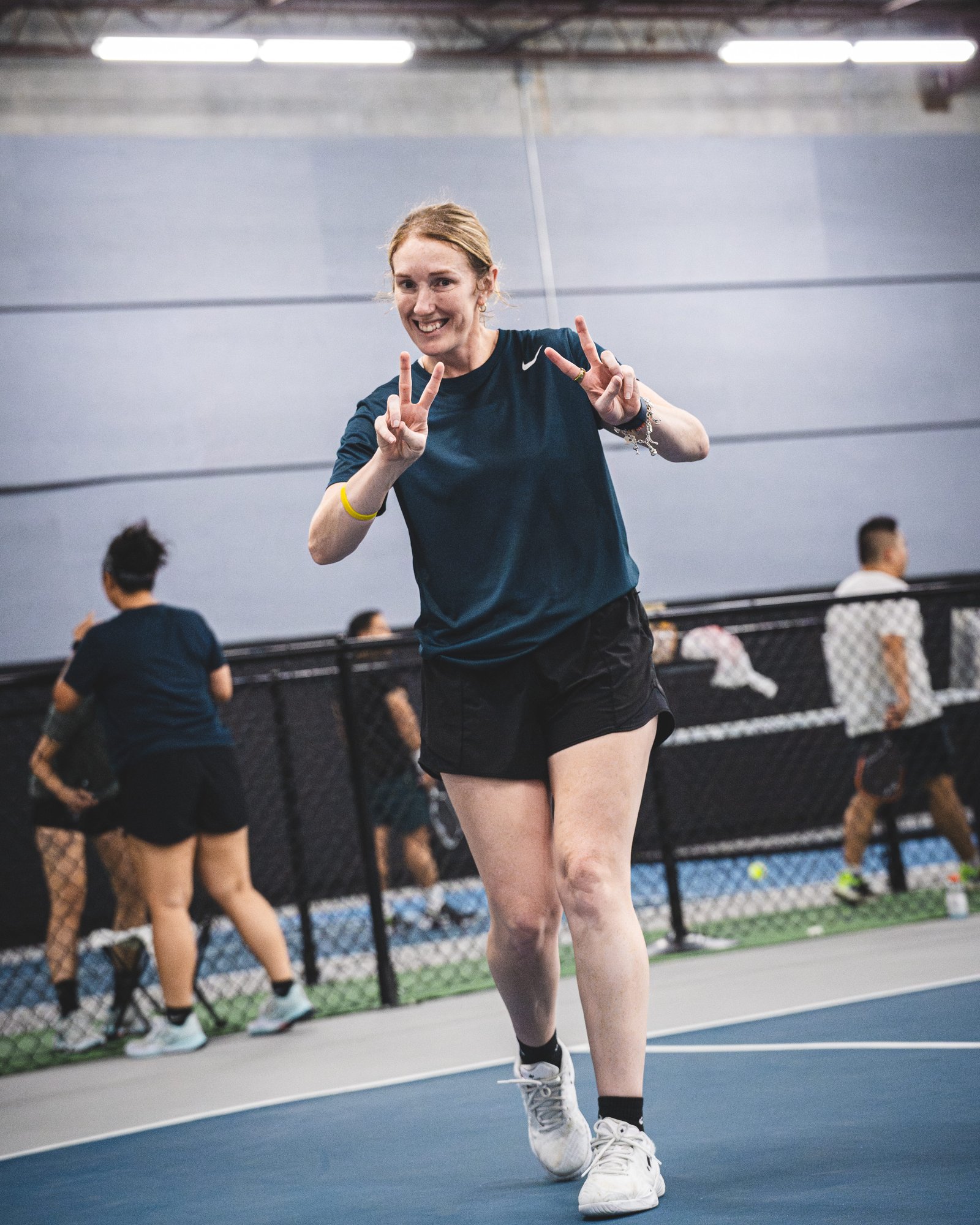
Indoor vs. Outdoor: how to decide
The decision between indoor pickleball courts and outdoor terrain is about more than weather. It’s about how you want your weekly practice to feel and how much time you’re willing to invest in travel and logistics.
- Indoor environments offer predictability. Temperature and humidity tend to be steadier, which means your balls behave more consistently. This steadiness is especially valuable if you’re working on technique and footwork that you want to reinforce in a controlled setting.
- Outdoor environments push your adaptability. Light, air resistance, and wind create extra challenges that can sharpen your reaction times and shot selection. The social aspect often rises with the scale of outdoor play, because the environment invites more casual, impromptu games after a match.
If you’re unsure where your preferences lie, try alternating weeks between indoor and outdoor facilities within Era Pickleball’s network. Track your perceived level of effort, your accuracy on serves, and your overall pace of play. You might notice that indoor sessions feel more efficient for honing precise shots, while outdoor sessions help you build court sense and strategic variety.
Maximizing your schedule with a smart approach
A few practical strategies have proven effective for players trying to lock in a sustainable schedule at Era Pickleball facilities.
- Build a weekly rhythm. Block out the same times on the same days each week if possible. Consistency reduces the mental energy required to plan each session and makes it easier to stick to a routine.
- Reserve in advance, but leave a cushion. If you can book two weeks ahead, do so. Then keep one slot unreserved to accommodate last-minute practice or social games with friends. This approach reduces the sting of cancellations and keeps your week from becoming a scramble.
- Use groups to your advantage. Co-ordinate with teammates to share court time. If your group can rotate who attends each week, you gain access to more sessions overall and maintain a steady practice flow.
- Prioritize maintenance days. If your body feels a little tight after a string of sessions, dedicate a day to light play or a rest day. Facilities that support varied intensity levels—for example, offering clinics or technique sessions in addition to open play—help your body recover while still keeping you engaged with the sport.
- Leverage coaches and clinics. Era Pickleball sometimes partners with local coaches or hosts clinics that fit into a regular calendar. If you’re serious about upgrading your game, these sessions can yield quick wins and a clear path to more efficient practice.
Two quick checklists to keep in your pocket
-
A short decision framework for choosing an Era Pickleball facility 1) Proximity to your regular routines 2) Court availability and booking ease 3) Court condition and maintenance schedule 4) The tone of the community and staff 5) Access to clinics, leagues, and social play
-
A post-visit quick review you can use to compare facilities 1) Was the reservation system straightforward to use? 2) Were the courts clean and the lines well-marked? 3) Did the staff handle questions and issues promptly? 4) Did you feel energized and ready for the next session after playing? 5) Would you recommend this venue to a friend?
These short lists are deliberately small so they stay practical and easy to reference. The goal is to create a mental model you can bring with you to any future visit and keep your weekly plan clear.
A note on pricing and value
Pricing structures vary across Era Pickleball venues, but the underlying principle remains consistent: you’re paying for access to a reliable schedule and a welcoming environment that reduces the friction of getting on the court. If you’re evaluating memberships versus casual day passes, do the arithmetic with your typical week in mind. A membership is valuable if you expect to play more than a couple of sessions per week, as you’ll often unlock priority booking windows, reduced per-session costs, or bonus clinics. If your schedule is irregular, a pay-as-you-go model with flexible cancellation options may be more economical and less anxiety-inducing.
One of the practical advantages of Era Pickleball’s network is crossover accessibility. If you live in a city with several Era Pickleball facilities, you may be able to shift your routine between indoor and outdoor venues as your week unfolds. This flexibility is a strategic asset. It allows you to preserve your schedule when one location reaches capacity or when weather or travel constraints make a different venue a smarter choice for that particular week. In my own routine, I aim to keep at least three backup options in mind. If my preferred court is booked or if the drive time constraints shift, I can pivot with minimal disturbance.
Community and culture matter as much as the courts do
The vibe at Era Pickleball facilities often reflects the strength of the local pickleball community. A facility that fosters a sense of belonging—where you can see regulars chatting after a match, where staff know players by name, and where newcomers are guided through the first few visits—tends to become a reliable anchor in your week. That social fabric isn’t a decoration; it translates into real value. When you’re just starting out, you want a place where you can learn quickly and feel supported. For seasoned players, the presence of regular leagues and clinics offers clear pathways to step up your competition and refine your strategy.
When you’re choosing among Era Pickleball facilities, think about what you want from the community in the long term. Do you want to be a regular at a single venue, or do you prefer the flexibility to move between venues and still feel connected? The answer will shape which facility ends up feeling less like a lease on time and more like a community that respects your routine.
A glimpse of real-world trade-offs
No facility is perfect, and even the best Era Pickleball locations will present trade-offs. A facility with abundant courts and a robust schedule might feel crowded during peak times. Another venue may offer an excellent climate-controlled indoor space but have a longer commute or a stricter reservation window that complicates the day-to-day planning. The key is to identify which trade-offs you’re willing to live with and which are deal breakers for you.
In practice, the right choice often comes down to your work schedule, your family commitments, and your energy levels for late-day play. If you’re a morning person who appreciates quiet courts and a linear, predictable routine, an indoor Era Pickleball facility with early opening hours could be an ideal fit. If you’re a student or a working professional who values after-work social play and flexible scheduling, an outdoor court option with a lively community might be more appealing. Either way, you’ll likely discover that the best choice is a balance between convenience, climate, and a sense of belonging within the local pickleball ecosystem.
Putting it all together
Choosing the best Era Pickleball facility for your schedule is less about a single feature and more about the intersection of several http://erapickleball.com/ practical factors. Proximity, booking reliability, court quality, and the surrounding community all weave together to determine how easy it is to show up and play consistently. The most successful players I know treat the process like a small project: they identify their priorities, test a few venues, and then commit to a consistent plan that aligns with their life. They also remain adaptable, ready to shift venues as seasons and responsibilities change, while maintaining the core habit of moving their body and enjoying a game that invites both challenge and camaraderie.
If you’re just starting out with Era Pickleball or you’re looking to optimize an established habit, here are some practical steps to begin today:
- List your non-negotiables. Do you need a certain number of courts per session, a particular time of day, or a venue within a tight radius of your daily routines? Write them down and keep them visible.
- Check the booking windows for each facility you’re considering. Note when they open and how far you can book ahead. Mark these dates on your calendar so you don’t miss a coveted slot.
- Visit in person when possible. A site visit can reveal issues a virtual tour cannot capture, such as the feel of the court surface, the warmth of the staff, and the actual traffic of players during your preferred times.
- Try both indoor and outdoor options if you can. A two-week trial at each type will give you a clearer sense of how climate, wind, and light affect your game and your stamina.
- Monitor your results. Keep a simple log of how many sessions you played, how you felt after each one, and whether the schedule supported your goals. Use this data to adjust your plan for the next month.
The bottom line is straightforward: Era Pickleball can be an integral part of a healthy, active lifestyle, provided you choose a facility that aligns with your weekly cadence. The right venue won’t just host your matches; it will host your week. It will be the place that makes it easier to show up, play well, and leave with a sense of momentum. It will be where your routine and your love for the game converge, week after week, season after season. If you’re ready to start testing options, bring a notebook to your next facility visit and write down what resonates. You’ll find that the best choice isn’t a single court but a place where your week can finally breathe a little easier—and your game can rise to meet that calm, focused pace.