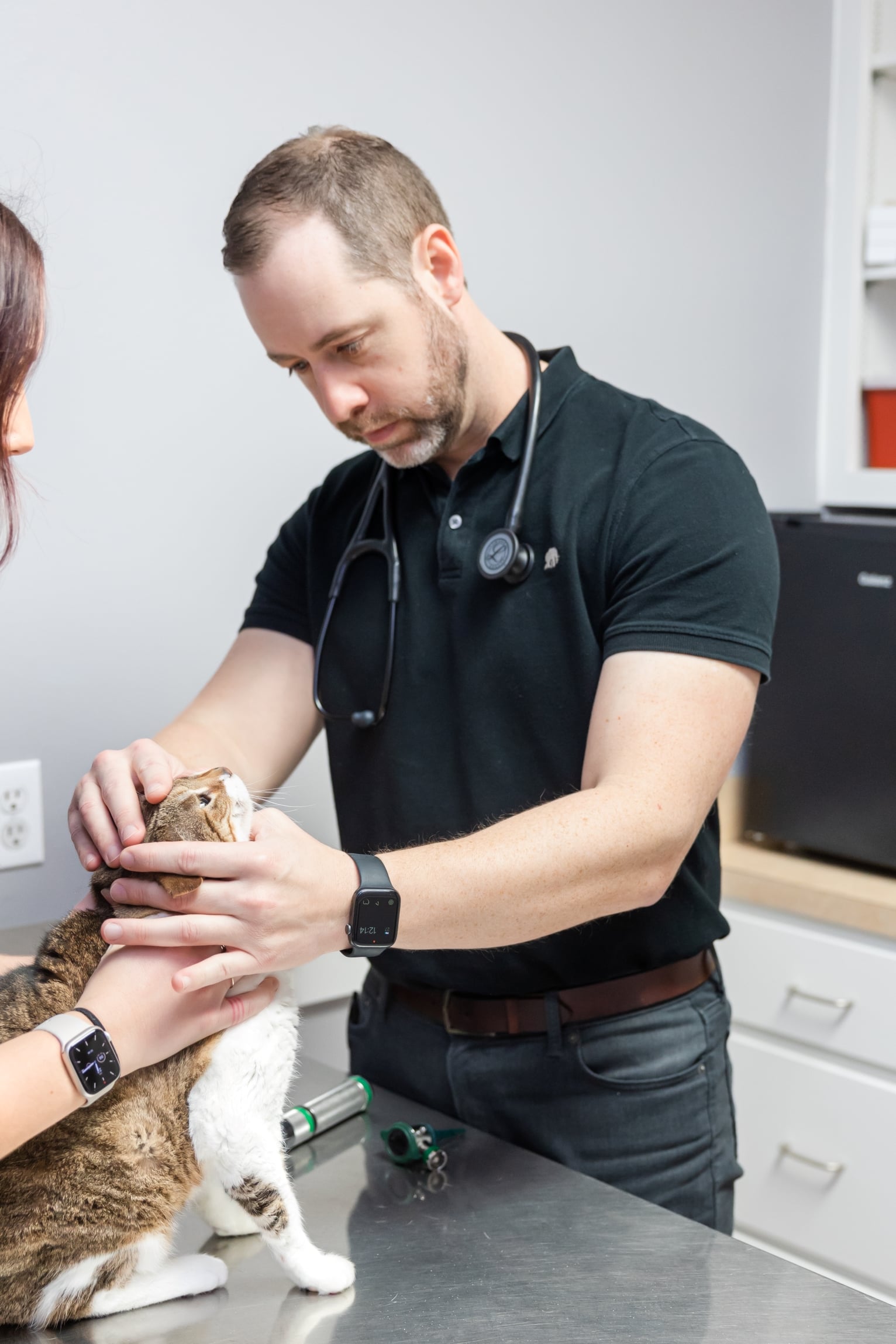
Prairieville Animal Hospital Animal Hospital: Illness Prevention Strategies
The clinics I’ve worked in over two decades taught me that prevention isn’t a single protocol, it’s an ongoing relationship with a living, breathing patient who can’t tell us when something feels off. Prairieville Animal Hospital sits in that tradition, where prevention is a daily practice as much as a scheduled visit. This article shares practical, field-tested strategies that pet owners can implement alongside our veterinary teams to reduce illness, catch problems early, and keep tails wagging and purrs steady.
A practical frame for prevention rests on three pillars: understanding risk, implementing routine care, and building a collaborative care partnership. In Prairieville, we see that triad at work every day. Owners who track weight, behavior changes, and environmental exposures empower us to respond faster and more precisely. When we align medical knowledge with real-life routines, we create a shield that is both flexible and robust.
Why prevention matters in small animal medicine
In-client conversations about prevention often start with nostrils and noses, yet the most meaningful gains come from recognizing patterns over months, not from a single wellness visit. Illness prevention is not merely vaccinating on a schedule or treating a stray ear infection after it appears. It’s about minimizing risk and maximizing resilience across a pet’s life.
For many families, the first big win is weight management. A few pounds overweight might not sound dramatic, but it shifts the risk balance for arthritis, diabetes, and cardiovascular strain. In our practice, we see the difference when owners commit to steady routine, measured feeding, and mindful enrichment. The second major area is dental health. We still underestimate how much pain and systemic infection sit behind a dog’s crunch-time squeaks or a cat’s reluctance to jump. Clean teeth, regular checkups, and early intervention prevent telltale breath issues and can spare months of illness down the line.
In cattle and livestock medicine, the equivalent of prevention is stability and predictable performance. In companion animals, it’s quality time with people and fewer visits for preventable conditions. The Prairieville team leans on science, but we also rely on practical know-how: what a typical household can sustain, what seasonal changes require adjustments, and how to adapt protocols when life gets busy.
Seasonal rhythms and environmental realities
The year has a cadence that shapes risk. Spring brings parasite challenges as the ground thaws and wildlife vectors return. Summer heat elevates dehydration risk and can amplify allergies. Fall usher in indoor crowding, lung irritants from heaters, and holiday stress. Winter exposes pets to dry air, limited outdoor activity, and dietary shifts as routines tighten around family schedules. Prevention plans that work in July might need tightening in January, and that’s expected.
In Prairieville’s climate, environmental risk assessment isn’t guesswork. It’s a set of checklists tied to the calendar and to the home environment. We ask households to think through:
this website- How often pets are outdoors, and in what conditions
- Access to fresh water and shade during hot days
- Nutritional adequacy relative to activity level and age
- Availability of safe spaces to rest during stressful events like thunderstorms or travel
- Household changes such as new pets, visitors, or renovations that could alter exposures
The veterinarian’s toolkit for illness prevention
The veterinary approach to prevention blends routine care with targeted measures. A well-designed plan relies on a mix of vaccines, parasite control, dental care, nutrition, behavior, and environmental safety. It’s important to tailor these to the individual animal, because a one-size-fits-all approach often misses the nuance of breed predispositions, concurrent illnesses, or the family’s lifestyle.
Vaccination, while sometimes debated in public forums, remains a cornerstone of prevention in most dogs and cats. The aim is not to saturate the patient with shots, but to create a level of protective immunity at the ages and intervals that best suit their exposure risk. We balance the risk of adverse reaction with the benefit of protection against contagious diseases. For many households, this means a schedule that evolves as the pet ages, with adjustments for travel, breeding status, or chronic conditions.
Parasite prevention extends beyond the obvious. Fleas and ticks can carry disease, but internal parasites often hide in plain sight, especially in animals that roam or hunt. Regular deworming, stool testing, and environmental controls reduce the chance of unnoticed infections taking hold. Our team often pairs parasite prevention with cleanliness routines at home and in the yard, applying professional insight to daily life.
Dental health is prevention you can feel. A mouth free of plaque reduces the risk of systemic infections that can affect the heart, kidneys, and liver. It also lowers the likelihood of chronic discomfort that can alter a pet’s appetite and activity. We emphasize home dental care alongside professional cleanings, crafting flexible plans for owners who dread the idea of anesthesia or who want to maximize the interval between dental sessions.
Nutrition acts as prevention when it addresses life stage, energy needs, and metabolic health. Feeding a suitable quality diet at the appropriate amount influences weight, coat condition, digestion, and energy. We guide families toward foods that align with their pet’s age, activity, and any medical conditions, while avoiding rigid, dogmatic rules that don’t fit real-life routines.

Behavioral health ties into illness prevention through stress reduction and safer environments. Chronic stress or poor coping strategies can exacerbate medical issues or trigger behavioral problems that disrupt a household. A practical prevention plan includes enrichment, predictable routines, and communication strategies that reduce anxiety for pets and their human companions.
Two structured pathways to prevention in practice
The Prairieville team often uses two complementary pathways to prevention: a core, ongoing plan that covers the essentials for most pets, and a personalized, life-stage or condition–specific plan that fine-tunes risk management.
Core, ongoing prevention for most pets
This is the baseline every family should aim for. It’s not a check-the-box exercise; it’s a living program that evolves with the pet. It centers on predictable routines, steady monitoring, and timely adjustments. The core pillars include routine veterinary visits, weight and body condition tracking, dental care planning, parasite control, vaccination where indicated, and environmental safety.
We’ve found that consistent measurement leads to better outcomes. A simple weight diary, regular brushing or dental checks, and a monthly mental stimulation plan can make a world of difference over the years. When families come in with a well-kept record, our veterinarians can spot trends before they become problems and adjust recommendations quickly.
Life-stage and condition–specific prevention
Beyond the baseline, there are moments when a pet benefits from intensified focus. A puppy or kitten, for example, is building immunity, learning healthy routines, and establishing feeding patterns that influence lifelong health. A senior pet lives with an accumulation of experiences and potential chronic conditions, calling for adjustments in exercise, kidney function monitoring, and dental care frequency. A pet with allergies, diabetes, or obesity requires a different set of targeted measures, sometimes including collaboration with a veterinary nutritionist, a behaviorist, or a dermatology referral.
In these scenarios, prevention becomes more than a schedule; it’s a strategic partnership with the family. We’ve learned to talk frankly about trade-offs. For instance, a frequent dental polishing might require anesthesia, which carries its own risks in senior pets. We balance those risks with the improvements in daily comfort and long-term health, choosing the timing that yields the best net benefit.
How Prairieville tailors prevention to the household
Every home is a laboratory of sorts, with variables that affect risk. The Prairieville team uses a structured intake conversation to pull out the details that matter for prevention planning. We ask about travel patterns, exposure to other animals, indoor versus outdoor living, and whether there are children in the home or elderly family members. We ask about favorite treats, feeding schedules, and whether someone in the household has environmental allergies or asthma. The goal is to build a plan that is both scientifically sound and practically sustainable.
One recurring theme is balancing convenience with consistent care. Owners want easy solutions, yet the most effective prevention often requires discipline. We’ve seen families who commit to weekly weight checks and monthly dental at-home care enjoy better outcomes than those who rely on annual visits alone. The key is making prevention fit the rhythm of life, not demanding a radical, unsustainable overhaul.
Two short lists to clarify practical steps
-
Core daily actions most families can adopt with minimal friction:
-
Monitor water intake and ensure access to fresh water at all times
-
Sift feeding portions to avoid overfeeding and overweight
-
Brush teeth or offer dental chews as recommended by the clinician
-
Check skin and coat for changes, and report lumps, rashes, or persistent itching
-
Maintain a consistent exercise routine and safe play environment
-
Seasonal and life-stage adjustments that often require attention:
-
Increase parasite prevention during warm months when outdoor exposure rises
-
Adjust diet and activity for senior pets to protect joints and energy balance
-
Review vaccination status in the lead-up to travel or boarding
-
Inspect indoor air quality and humidity during dry winter months
-
Plan dental care timing around schedules to minimize anesthesia risk
Real-world examples and lessons from the hospital floor
Every case has a lesson tucked into it, if you listen closely. Early in my career, a family wanted to avoid vaccines for reasons tied to past experiences. We walked through the risks and benefits, explained how the pet’s exposure profile had changed since the last visit, and eventually aligned on a vaccination plan that felt respectful of the owner’s concerns while prioritizing the animal’s health. It was a reminder that prevention isn’t coercive; it’s collaborative, built on trust and clear communication.
I also recall a senior cat whose owners were meticulous about routines at home but nervous about anesthesia for dental work. We discussed the short-term risk and long-term gain, showing data on quality of life improvements after professional cleaning. We scheduled a gradual approach: a light cleaning to ease into the process, followed by a deeper cleaning when it could be managed with monitoring. The outcome was a daily improvement in energy and appetite, with the family feeling empowered rather than overwhelmed.
On the canine side, a rescue with a history of skin allergies required a combination of environmental management and targeted nutrition. We identified a food sensitivity component, adjusted the diet to a hypoallergenic option, and introduced a gentle, consistent grooming routine that reduced itchiness. The change was not dramatic overnight, but by the third month, the dog slept better, scratched less, and had a shinier coat. The family learned that prevention often comes in small, persistent wins rather than one sweeping change.
The clinical side of prevention includes practical tools and everyday discipline. We rely on standard tests at appropriate ages, such as fecal checks or blood work, to detect problems in their early stages. We pair these with owner-driven observations—changes in appetite, shifts in energy level, or subtle behavioral signals that could indicate discomfort. The beauty of this approach is that it creates a continuous feedback loop between home and clinic, turning prevention into a shared project rather than a series of isolated visits.
Managing risk without losing flexibility
The world doesn’t stand still, and neither do risk factors. A local dog park might become a focal point for a particular parasite when community outbreaks emerge. A family planning a long road trip may find that a change in the home environment, such as a new pet or a visiting family member, alters the stress landscape. In these moments, we adjust prevention plans rather than scrap them. There’s always a balance between staying current with medical recommendations and accommodating the realities of life.
To maintain that balance, we encourage families to document the following:
- Any new medications or supplements the pet is receiving, including over-the-counter products
- Changes in appetite, weight, or energy that don’t line up with expected patterns
- Behavioral shifts that could hint at discomfort or anxiety
- Environmental exposures like new plants, outdoors spaces, or seasonal changes
- Travel plans that could introduce new disease risks or require boarding
These details may seem small in isolation, but they collectively shape decisions about vaccines, parasite control, and dental care.
The practical heart of prevention in action
What follows are concrete steps a family can weave into daily life, anchored in the expertise families expect from Prairieville Animal Hospital. We emphasize clarity in planning and honesty in communication, because prevention becomes effective only when both sides of the examination room are aligned.
1) Maintain a predictable medical check-in schedule
Two visits a year for adult pets are a good default in stable cases, with more frequent check-ins for seniors or animals with chronic conditions. A mid-year wellness panel with basic blood work can flag subtle shifts in organ function, thyroid status, or metabolic health. The goal is to catch problems before they translate into noticeable symptoms.

2) Keep weight and activity in balance
A simple weight-tracking habit combined with a measurable activity plan pays dividends. We often use a body condition score (BCS) as a quick read on whether a pet is under or over the ideal range. Families who pair this with a 15-minute daily walk or play session typically see improvements in energy and mood within a few weeks.
3) Support dental health with staged care
Dental care should be continuous rather than episodic. Brushing may feel daunting at first, but even a few minutes three times a week can be transformative. If brushing is not feasible, discuss alternatives such as dental diets, chews, or professional cleanings scheduled at intervals that minimize anesthesia exposure while maintaining oral health.
4) Protect against parasites with a proactive plan
Parasite prevention is not a seasonal afterthought. It’s a backbone of prevention that requires consistent administration, quarterly reviews, and occasional stool checks to confirm effectiveness. We often tailor products to individual risk factors such as access to wildlife, outdoor activity, and neighborhood tick prevalence.
5) Align home safety with medical insight
Pet owners benefit from actionable home safety checklists that translate veterinary advice into daily practice. This includes secure trash containment, safe garden practices to prevent ingestion of toxins, and proper storage of medications and household cleaners away from curious paws.
Where we go from here
Illness prevention is not a single technique but a coordinated approach that lives in everyday activities. The Prairieville approach blends the science of veterinary medicine with the realities of home life. We emphasize patient-specific planning while maintaining a steady foundation of core preventive care. The result is a more resilient pet, a more confident family, and a practice that treats prevention as a living partnership.
If you are part of the Prairieville community, you know our team values clear communication, practical guidance, and near-term wins that compound into long-term health. We want families to feel empowered to take the next small step today, knowing that tomorrow they will be a little more prepared for whatever comes next.
A note on partnerships and ongoing learning
The field of preventive veterinary medicine is dynamic, with new insights and evolving best practices. We embrace evidence-based updates, but we never lose sight of the human element—the trust, patience, and effort required to sustain a prevention plan. Our veterinarians and staff strive to translate the latest research into straightforward actions that fit real-world life.
We also recognize the limits of what prevention can achieve. Some diseases cannot be avoided entirely, and aging will bring certain challenges regardless of the steps taken. The aim, then, is to tilt the odds toward health and to equip families with the tools to respond swiftly when concerns arise. In this sense, prevention is not about perfect outcomes; it is about reducing uncertainty and elevating everyday life.
Closing thoughts for the Prairieville community
The illness prevention strategies we practice at Prairieville Animal Hospital are grounded in place, experience, and a careful consideration of what families can sustain. They are not abstract guidelines but real choices that shape the health trajectory of beloved companions. When we sit down with a family for a wellness plan, we are not prescribing miracles. We are offering a roadmap built from observed patterns, practical constraints, and a shared commitment to care.
For many households, the moment a prevention plan becomes routine is the moment a pet begins to thrive in a more durable, lasting way. That is the essence of what we aim to achieve: steadier health, fewer disruptions, and a relationship with life that includes more play, more comfort, and more quiet confidence in the future. At Prairieville Animal Hospital, prevention is a practice, not a promise. We live it day by day through attentive care, careful listening, and a readiness to adapt as life evolves.
If you’d like to discuss a tailored prevention plan for your pet, reach out to Prairieville Animal Hospital’s veterinary team. We welcome conversations that translate medical science into practical steps your family can implement with ease and confidence. Your pet’s next health milestone can be the first small win of a long, healthy journey.